Beyond the plate: Embracing an organic lifestyle
When we think about organic living, food is usually the first thing that comes to mind. Fresh vegetables, seasonal fruit, free-range eggs, and locally sourced produce are often at the heart of the conversation. But organic living extends far beyond what's on our plates.
Choosing organic food is an excellent place to start, but an organic lifestyle is really about making mindful choices that support our health, our communities, and the natural world around us. It's about embracing a way of living that values sustainability, simplicity, and connection.

Reconnecting with nature
At its core, organic living begins with a deeper appreciation for nature.
Whether it's growing a few herbs on a windowsill, tending a vegetable patch, or simply spending more time outdoors, reconnecting with the natural world can have a profound impact on our wellbeing. Organic principles encourage us to work with nature rather than against it, recognising the importance of healthy ecosystems, biodiversity, and seasonal rhythms.
Taking time to notice the changing seasons, supporting local wildlife, and reducing our impact on the environment are all small but meaningful steps towards living more organically.
Choosing quality over quantity
Organic living often inspires us to become more conscious consumers.
Rather than constantly buying new, it's about investing in products that are made to last, choosing natural materials where possible, and supporting businesses that share our values. From clothing and skincare to household products, there are countless opportunities to make choices that are kinder to both people and the planet.
This doesn't mean striving for perfection. Organic living is not about creating a flawless, waste-free lifestyle overnight. Instead, it's about making gradual changes that feel realistic and sustainable.
Creating a healthier home
The spaces we live in can have a significant impact on our wellbeing.
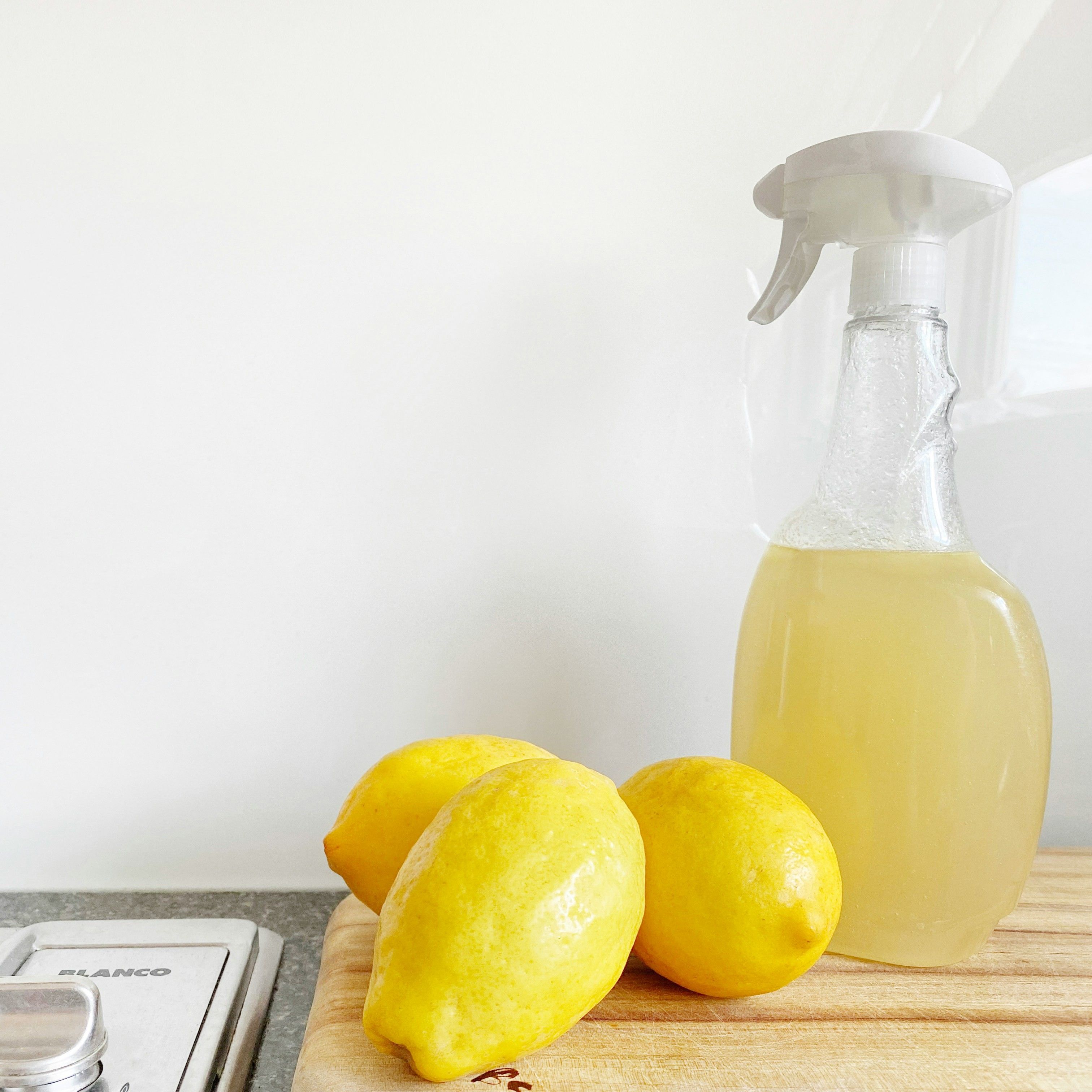
Many people who embrace organic food also begin exploring more natural alternatives within their homes. This might include using eco-friendly cleaning products, reducing synthetic fragrances, choosing organic cotton bedding, or introducing more plants into living spaces.
These choices can help create a healthier environment while reducing the number of unnecessary chemicals entering our homes and waterways.
Supporting local communities
One of the most rewarding aspects of organic living is the opportunity to support local growers, producers, and independent businesses. Farm shops, farmers' markets, community growing projects, and local artisans all play an important role in creating resilient local economies. By choosing to buy locally whenever possible, we strengthen our connection to the people who produce what we consume and help keep traditional skills and sustainable practices alive.
There's something special about knowing where your food comes from, meeting the people behind it, and understanding the care that goes into producing it.
Slowing down and living mindfully
Organic living is not just about what we buy. It's also about how we live.
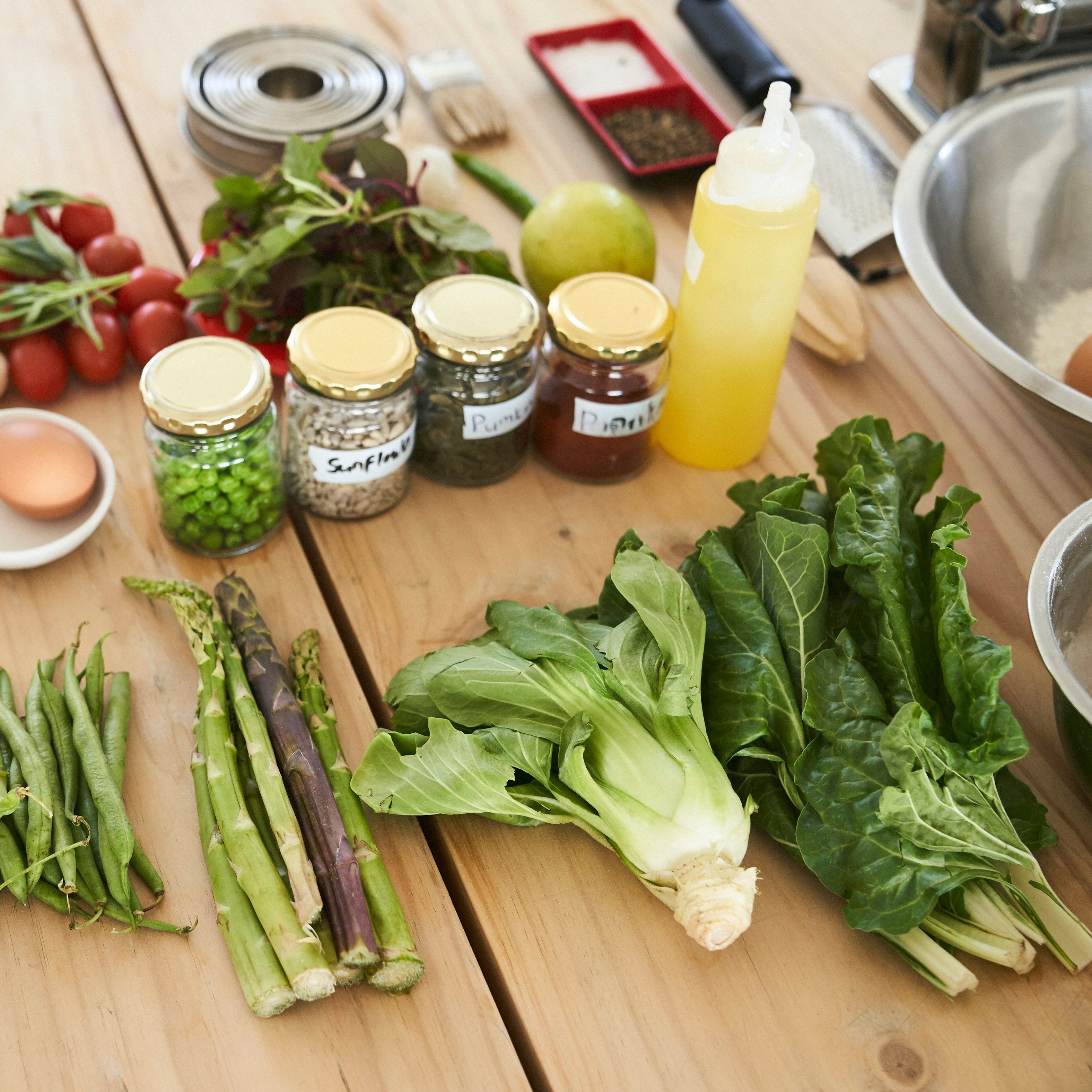
In a world that often feels fast-paced and disconnected, an organic lifestyle encourages us to slow down. Cooking meals from scratch, enjoying seasonal produce, spending time outdoors, and sharing food with family and friends are all ways of bringing more intention into everyday life.
These moments remind us that wellbeing isn't always found in doing more. Often, it's found in simplifying, reconnecting, and appreciating what we already have.
Small changes, lasting impact
The beauty of organic living is that every small choice matters.
Growing a few vegetables, reducing food waste, choosing reusable alternatives, supporting local farmers, or switching to natural household products may seem like minor actions on their own. Together, however, they contribute to a healthier, more sustainable future.
At Wye Organic, we believe that organic is about more than a certification or a label. It's a mindset, a commitment to working in harmony with nature, and a way of living that nurtures both people and the planet.
Because living organically isn't just about what's on your plate. It's about the life you build around it.


© 2026 - Wye Organic
Powered by
