Organic vs. Conventional Farming
Here at Wye Organic, our passion isn't just about selling beautiful, healthy produce; it's about nurturing the very soil beneath our feet, respecting our place in the natural order of things, and understanding the journey our food takes from farm to fork. One of the most common questions we hear – and a topic truly at the heart of sustainable living – is “Why is Organic farming better than conventional farming?”
It's not always black and white, but rather a spectrum of practices, each with its own philosophy, impact, and outcome. Let's dig into the fundamental differences.
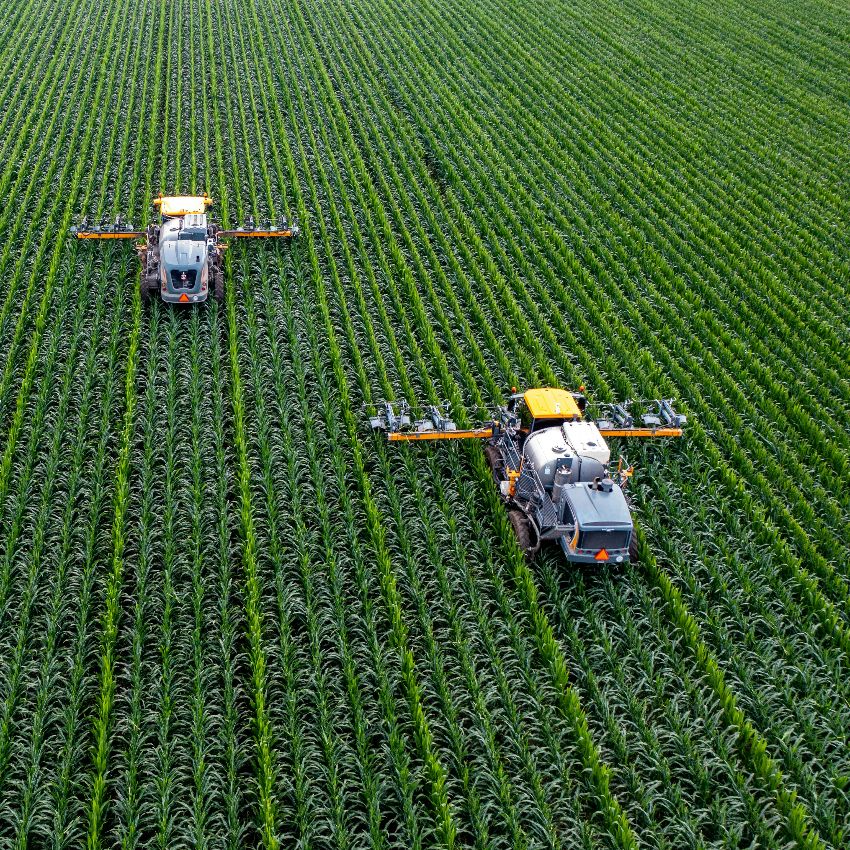
Conventional farming: Focused on speed and high output
For many years, conventional farming has been the main method of growing the food we eat. Its aim is to grow as much food as possible, as fast as possible. You can think of it as using modern industry to produce food.
Key features:
~ Soil is viewed as little more than a medium that holds plants while they feed off fertiliser. Soil life is destroyed by chemical fertilisers, pesticides and herbicides, which also harm soil structure, contributing to erosion and runoff. Some conventional horticulture does away with soil entirely, where crops live in a solution of synthetic chemicals in an entirely artificial environment.
~ Synthetic fertilisers: Farmers use man-made chemicals to feed the plant directly, which helps crops grow quickly. Their production emits masses of carbon, contributing to climate change.
~ Pest and weed killers (Pesticides and fungicides): Powerful, indiscriminate toxic chemical sprays are used to kill insects and eradicate any sign of disease.~ Herbicides: Poisonous chemicals eradicate weeds that would compete with the crops.
~ Genetically Modified (GM) crops: Although most GM crops are banned or limited in the UK, most conventional farm animals are fed imported GM feed. Genetic Modification is most commonly carried out to make crops resistant to toxic herbicides, meaning yet more poisons enter our environment.
Although standard farming can grow large amounts of food very efficiently, often making food cheaper in the shops, people worry about chemical leftovers on the food, polluting our waterways, making the soil poorer, and reducing its biodiversity.
Organic farming: working with nature
Organic farming, in contrast, sees the farm as a whole, natural, system. The aim is to work alongside nature to create strong soil, healthy plants, and a thriving environment.
~ Focus on soil health: The main task of the organic farmer is to build rich, fertile, living soil using natural materials like compost, manures and fertility-building plants, and by growing different crops each year (crop rotation). Healthy soil naturally feeds the plants.
~ Natural pest control: The focus is on growing healthy plants (which starts with the soil!) that are naturally more resistant to pests and diseases.
When a pest problem does occur, instead of chemical sprays that pollute the environment and
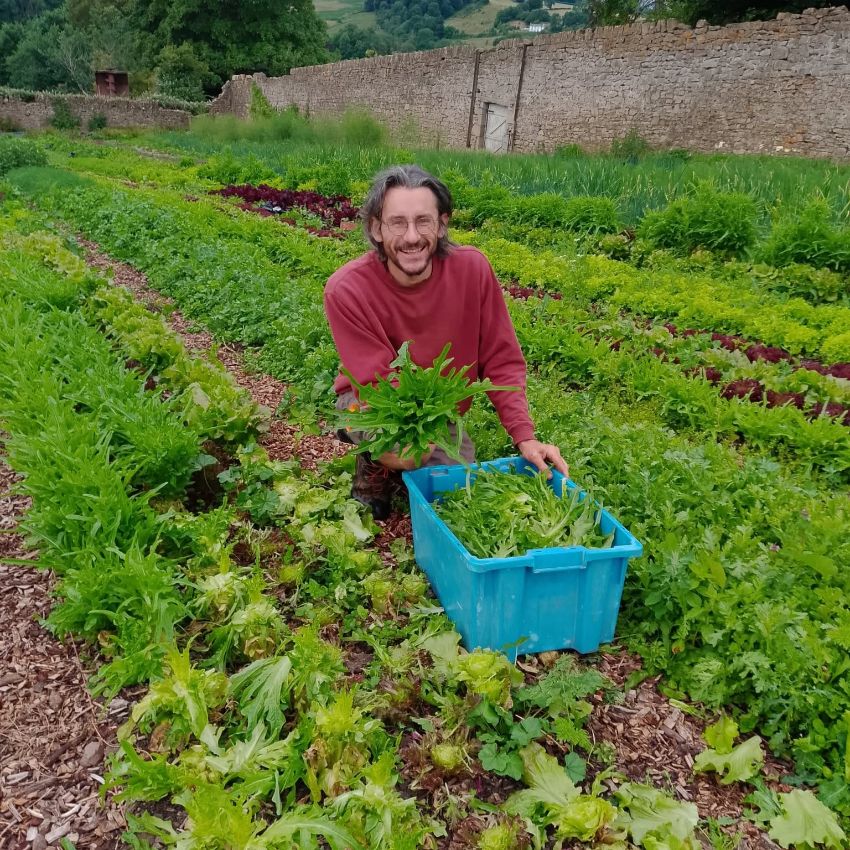
kill wildlife, organic farmers use methods such as encouraging like friendly insects (that eat the bad ones), for example ladybirds, and growing certain plants together that naturally keep pests away (“companion planting”). Instead of toxic herbicides, weeding is done by hand or mechanically, leaving no harmful residues.
~ No GM Crops: Organic rules strictly ban the use of any genetically modified feed, ingredients or seeds. ~ Biodiversity: Encouraging all sorts of plants and animals on the farm to keep the natural system in balance.
~ Minimal processing: Organic food is usually kept as natural as possible. The use of additives, artificial food colourings and preservatives is heavily restricted, and the most harmful ingredients banned altogether.
So, what is the common element that defines organic farming? Life.
Organic farming uses living solutions – in living soil, providing habitat, encouraging beneficial insects, making mind-blowing compost;
Conventional farming is based on dead solutions (synthetic chemical fertilisers) and applications that kill (pesticides, fungicides and herbicides).
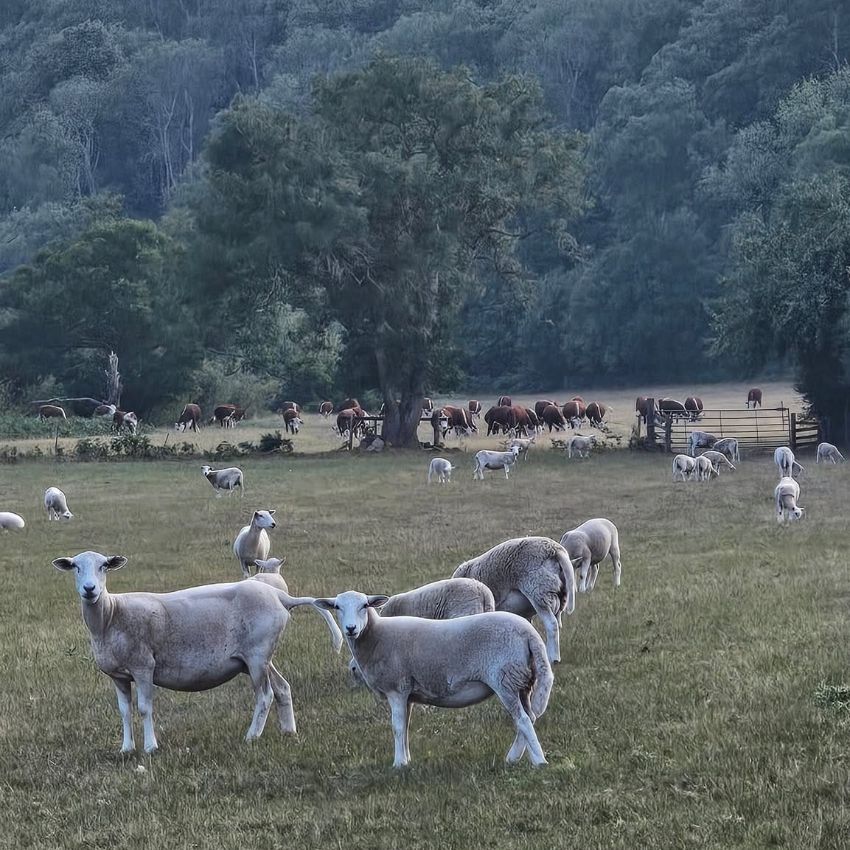
The meat difference: animal welfare
When we discuss farming, we must look at how animals that give us meat, dairy, and eggs are raised. The rules for standard versus organic farming have a huge effect on how these animals live.
~ Crowded conditions: Animals are often kept close together in large sheds or buildings (sometimes called factory farms), focused on producing food as fast as possible.
~ Standard feed: They are usually fed common grains (often GM), industrial by-products and have traces of both pesticide and herbicide chemical sprays.
~ Antibiotics and hormones: Animals are often given antibiotics regularly to stop disease spreading quickly in crowded areas, and sometimes hormones to make them grow faster. Although steroid hormones are illegal to use in the UK all imported meats do NOT have to adhere to these legal requirements.
~ Waste problems: The large amount of animal waste can be very hard to manage and can cause pollution.
Organic animal farming:
~ Access to outdoors: Organic rules insist that animals must have space to go outside and express their natural behaviours, such as grazing or scratching.
~ Organic feed: Animals must only be given 100% certified organic feed, which is free from GM ingredients and chemical sprays.
~ No routine drugs: It is all about preventative measures to be put in place to minimise the potential of needing any drugs at all. They are not allowed to use growth hormones or give animals antibiotics just to prevent illness. If an animal is unwell, it must be treated, but that animal cannot be sold as organic afterwards.
~Focus on welfare: Organic farmers try to keep animals healthy through good living conditions and proper food, aiming for happier, less stressed animals.
The Wye Organic view on meat: When you choose organic meat, you are supporting farmers who treat their animals well, raise them on clean, organic food, and avoid the use of antibiotics and hormones. This means better welfare for the animals and a product you can feel good about eating.
Organic flowers
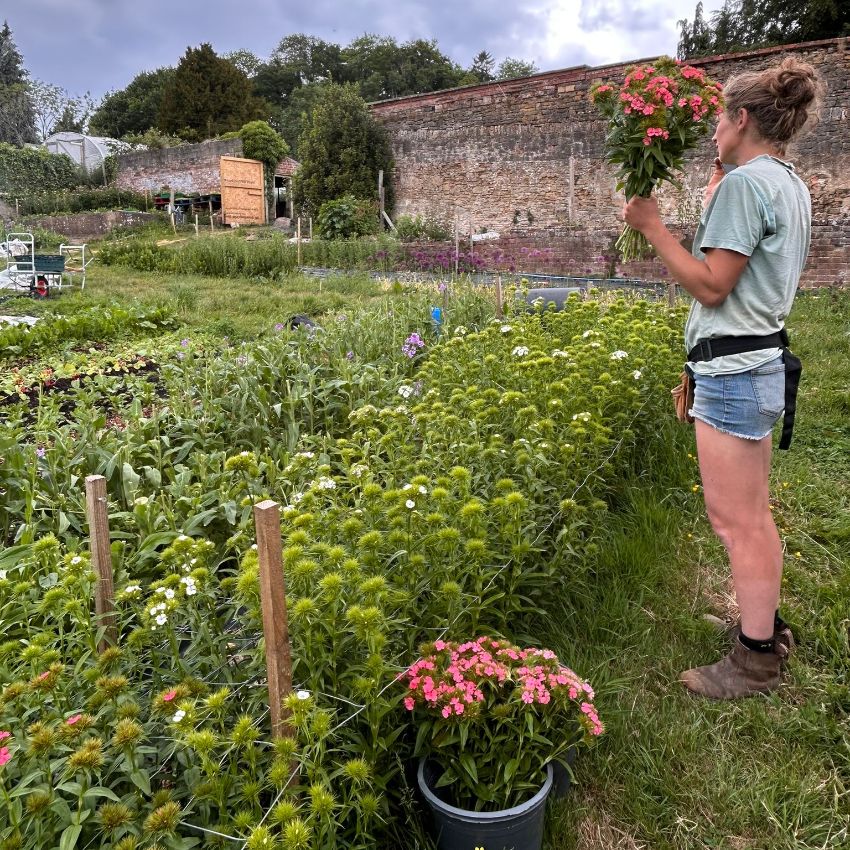
While much of the organic conversation focuses on food, the same principles apply to the beautiful bouquets you bring into your home. Conventionally grown flowers are often among the most heavily sprayed crops, exposed to a cocktail of pesticides and herbicides to ensure they look pristine for sale. Since flowers are not consumed, they are often exempt from the strict chemical regulations applied to food crops.
When you choose organic flowers, you are not only ensuring a chemical-free home but, crucially, you are supporting farming practices that protect pollinators like bees and butterflies from harmful sprays and nurture a richer, more diverse ecosystem right where the flowers are grown. This small choice makes a big difference to local biodiversity.
Why we choose organic farming
Our commitment at Wye Organic is simple: healthy food needs healthy soil, and animals should be treated with care. By choosing organic methods, we are working towards a sustainable and healthier future.
We choose methods that:
~ Protect the bees and other insects.
~ Keep our rivers and streams clean.
~ Make the land strong and healthy for the future.
~ Ensure high standards of animal care.
~ Give you food that is delicious and free from man-made chemicals, GM ingredients, and routine drugs.
When you buy organic, you are choosing to support a way of farming that looks after the planet, the animals, and your family's well-being.

© 2026 - Wye Organic
Powered by
