The silent threat on the plate: Why we must tackle antibiotic resistance in farming
When we think about the rise of superbugs and antibiotic resistance, our minds often wander to hospital wards and sterile medical clinics. But a critical frontline in this battle isn't found in a doctor’s surgery, it is unfolding quietly on commercial farmlands.
At Wye Organic, we believe that how we farm directly impacts human health. As antimicrobial resistance (AMR) becomes one of the greatest global public health crises of our time, it is imperative that we look closely at the conventional food system and explore why a shift towards holistic, nature-first farming is no longer just a lifestyle choice, it is a medical necessity.
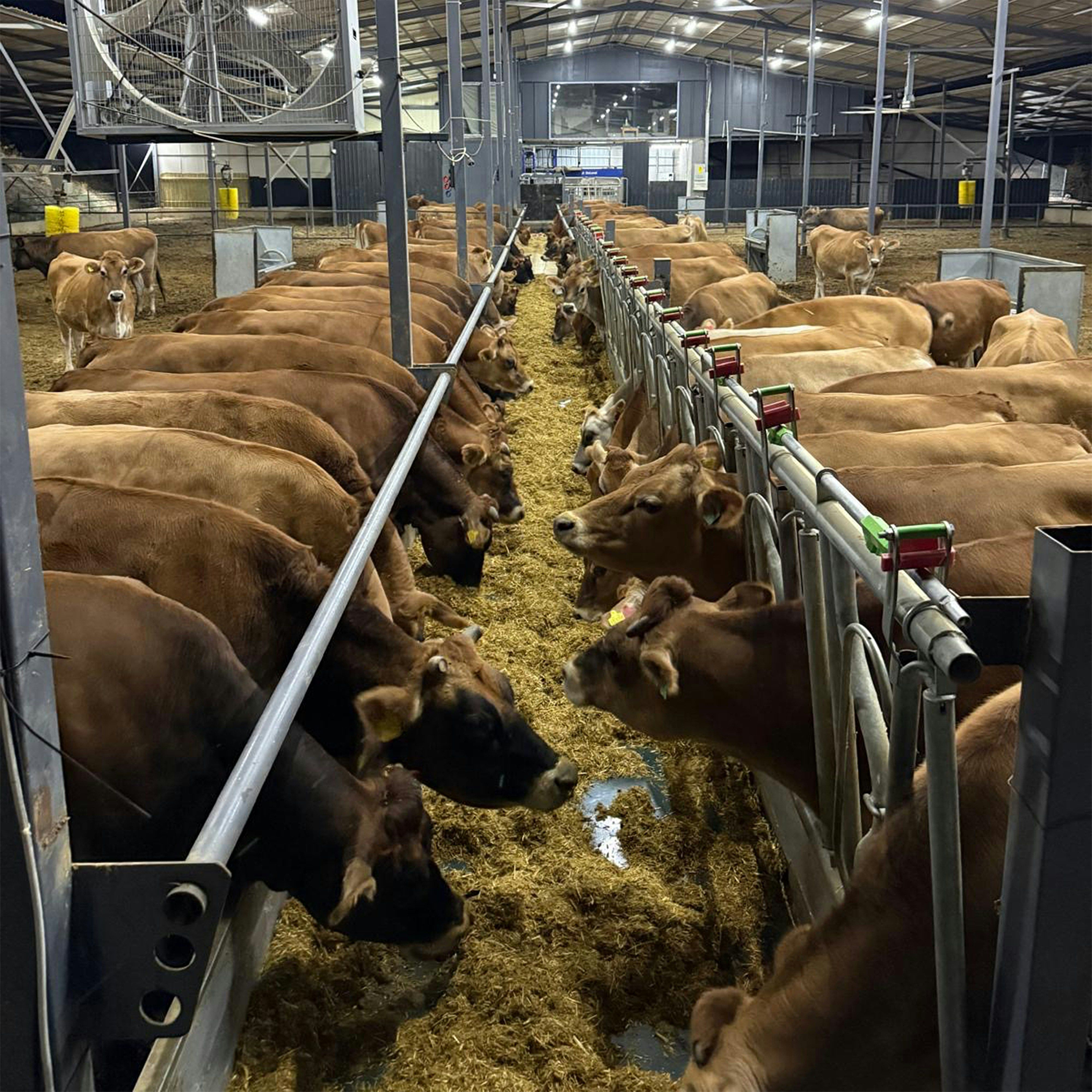
The conventional crisis: Routine and real risks
In conventional, intensive farming systems, animals are often kept in high-density environments. To prevent the inevitable diseases that thrive in these crowded conditions, and historically to promote faster growth, antibiotics have been used routinely.
Instead of treating an individual sick animal, conventional systems frequently rely on prophylactic (preventative) mass medication, often administered via feed or water to entire herds or flocks.
The Problem: When antibiotics are used continuously and indiscriminately, bacteria adapt. The weakest are killed off, but the strongest, most resilient strains survive and multiply. These "superbugs" can then leave the farm and enter the human population through several pathways:
- Direct Contact: Farmers, vets, and meat processors handling the animals.
- The Food Chain: Surface contamination on raw meat products during processing.
- The Environment: Farmland runoff carrying resistant bacteria into local waterways and soils.
When these resistant bacteria cause infections in humans, standard treatments fail. Simple infections become complex, and critical medical procedures - from routine surgeries to cancer treatments - become incredibly risky if we lose the protection of working antibiotics.
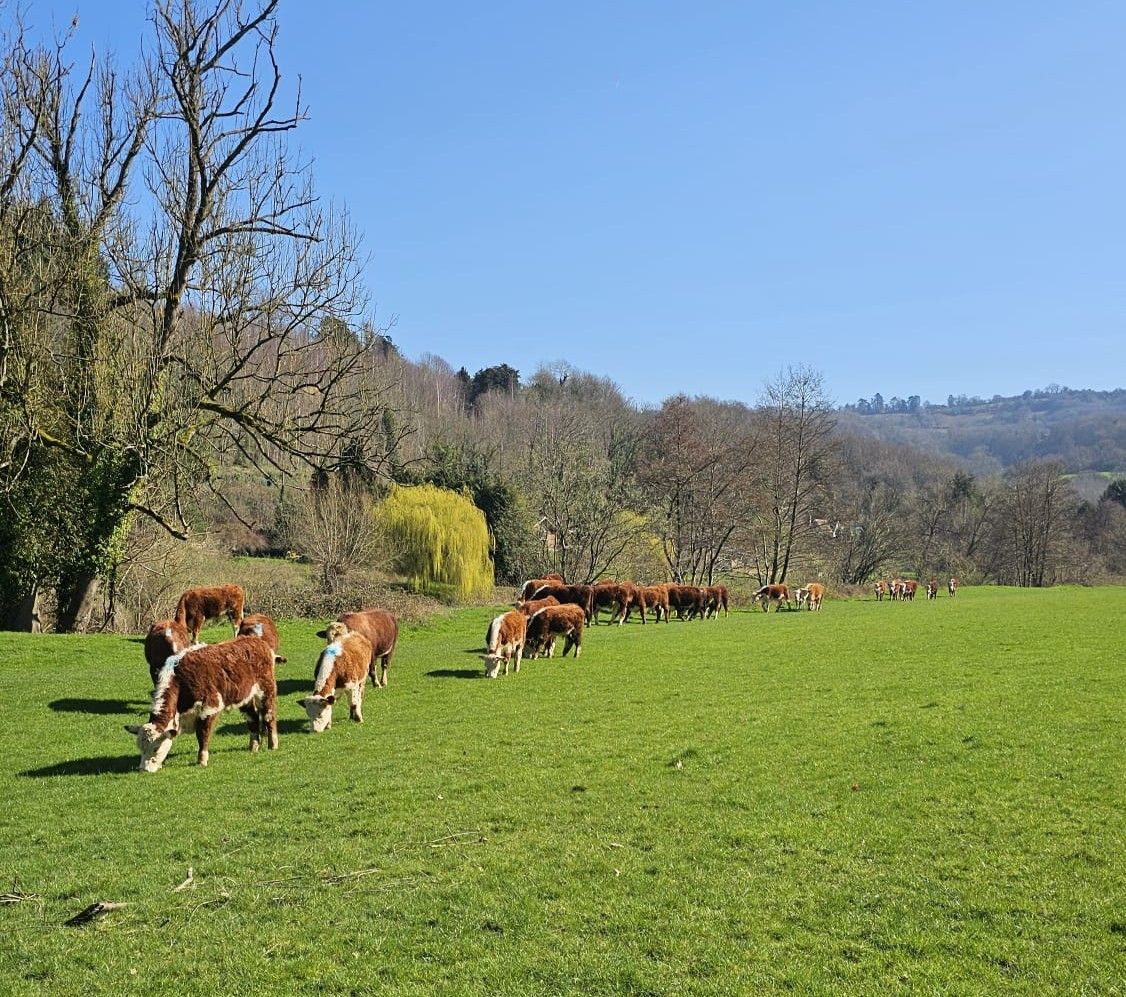
The Wye Organic viewpoint: Prevention through health, not chemistry
At Wye Organic, we see things differently. We don't view livestock as production units to be maximised through chemical interventions. We view them as part of a complex, living ecosystem.
Our philosophy is simple: We do not use routine antibiotics. We don't need to preventatively medicate our animals because we design our entire farming system around their natural health and well-being. We do this in the following ways:
100% forage-fed diets: Our livestock are raised on a natural diet of diverse pasture, herbal leys, and forage. This keeps their rumens healthy and their immune systems naturally robust.
By rejecting high-density stocking rates and keeping our animals outdoors on fresh pasture, we drastically reduce the stress and overcrowding that cause disease to spread in the first place.
We treat antibiotics as a last-resort. If an individual animal falls genuinely ill, we will absolutely treat it under veterinary guidance to ensure its welfare.

A systemic shift for future generations
The choices we make at the till are votes for the kind of world and healthcare system we want to live in. Choosing organic, pasture-raised meat isn't just about superior flavour or supporting the local landscape; it is a direct rejection of a system that risks compromising our most vital medicines.
Healthy soil creates healthy pastures. Healthy pastures raise healthy animals. And healthy animals produce food that sustains, rather than threatens, human health.
Let's protect the efficacy of antibiotics for when we truly need them. The solution starts in the fields.


© 2026 - Wye Organic
Powered by
