The true cost of quality: Why organic matters at Wye Organic
The price tag on an organic steak or a bunch of kale often sparks a debate about value versus cost. While organic produce typically carries a higher price than its conventional counterparts, understanding the mechanics of the organic supply chain reveals that these figures aren't simply plucked out of thin air. At Wye Organic, the focus remains on transparency regarding how food is grown and the long-term impact on the land.
Understanding the price gap
The higher cost of organic farming is rooted in labour, time, and scale. Unlike intensive farming models, organic systems reject synthetic fertilisers and chemical pesticides, which necessitates a completely different approach to land management.
- Labour-intensive methods: Without chemical weedkillers, control is often done by hand or through mechanical cultivation. This requires significantly more "boots on the ground" to maintain crop health and soil integrity.
- Slower growth cycles: Organic crops are not forced with nitrogen-rich synthetic fertilisers. They grow at a natural pace, often resulting in lower yields per acre but a higher concentration of nutrients and antioxidants.
- Hidden support and true costs: Conventional farming often appears cheaper because it benefits from different government support schemes. Furthermore, the shelf price of non-organic food doesn't account for the "hidden" costs to the taxpayer, such as the massive expense of cleaning chemical runoff from our water systems. If these environmental costs were factored into the price of a standard loaf of bread, the price gap would narrow significantly.
Patient farming: Why quality takes time
A significant factor in the pricing of organic meat and dairy is the time invested in the animals. In industrial farming, livestock are often "pushed" to reach market weight as quickly as possible. These animals are often filled up with feed that has been chemically enhanced or laden with growth-promoting additives to maximise turnover.
At Wye Organic, we believe that you cannot rush nature. Because our animals aren't fed chemically altered diets designed to speed up their development, they take much longer to mature. This extra time in the field means higher costs for the farmer in terms of land use and daily care, but it results in meat that has developed its flavour and texture naturally.
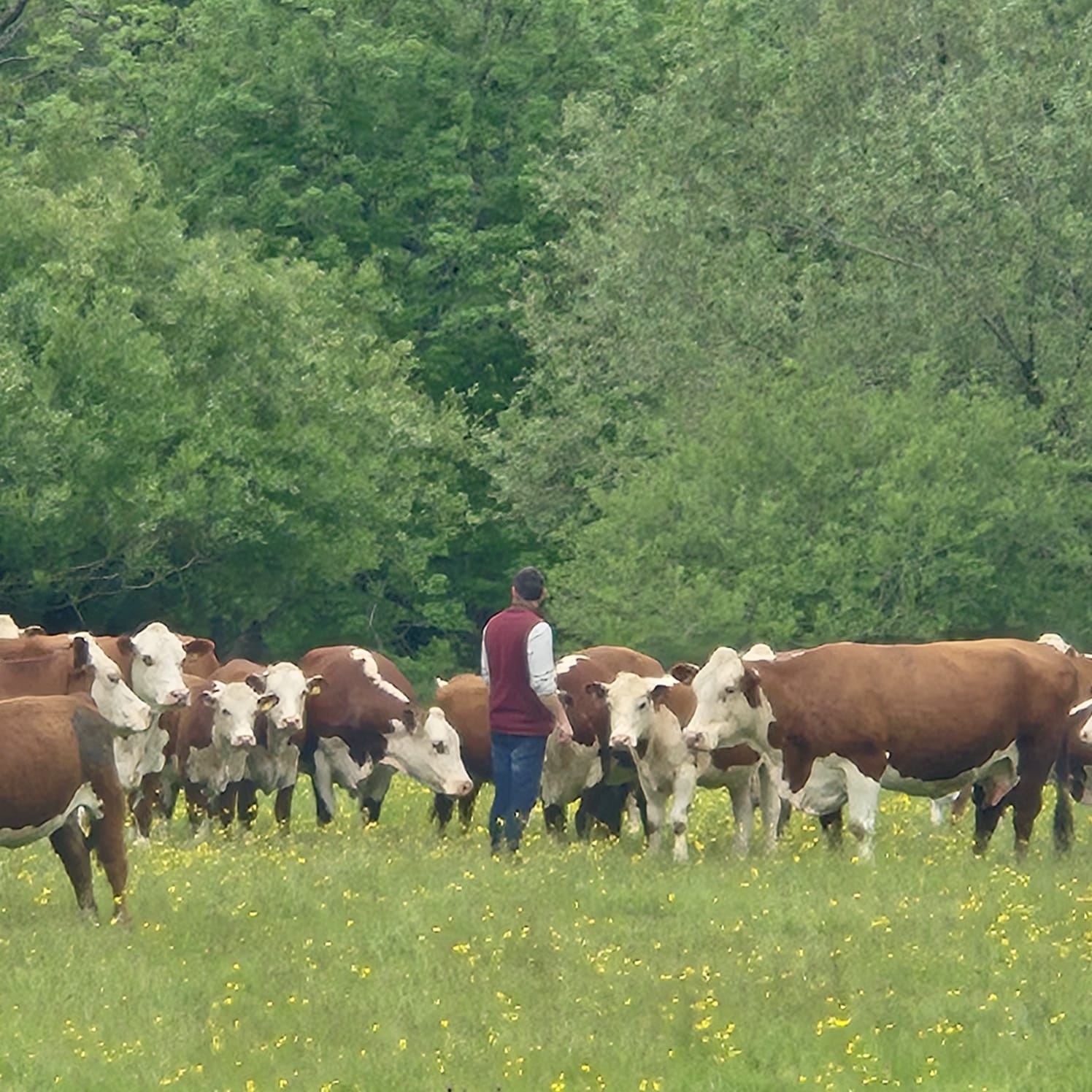
Working with traditional forage instead of intensive, imported pellets ensures the animals live a stress-free life. By refusing to use chemical shortcuts to fatten up livestock, we ensure the price you pay reflects a life lived well and a product that hasn’t been artificially hurried.
Is the "Organic Premium" a myth?
The idea that organic food is "overpriced" is often considered a myth when looking at the total cost of production. Conventional food prices rarely account for the long-term damage to our countryside.
Organic farming acts as a service to the ecosystem. By fostering biodiversity and sequestering carbon in the soil, organic farmers pay upfront for environmental protection that conventional systems often outsource to future generations.
Intensive farming can deplete soil nutrients over time. Organic practices, such as crop rotation and green manures, invest in the long-term fertility of the Earth.
Making organic accessible
Choosing organic doesn't always have to break the bank. There are strategic ways to integrate high-quality produce into a weekly shop without overspending:
- Eat with the seasons: Buying British produce when it is naturally in season avoids the costs of heated greenhouses or long-distance haulage.
- The "Dirty Dozen" strategy: Many shoppers use the list compiled by Pesticide Action Network UK to prioritise their spending. By choosing organic for the crops most likely to carry multiple pesticide residues (like spinach, apples, and strawberries) you can reduce your chemical exposure effectively on a budget.
- Bulk and whole foods: Buying whole organic vegetables rather than pre-prepared or processed organic snacks keeps the cost per kilo much lower.
Investing in the future
When you shop at Wye Organic, the price reflects a commitment to the soil under our feet and the health of the local ecosystem. It is an investment in a food system that prioritises nutrition and sustainability over short-term volume.
By shifting the perspective from "expensive food" to "fairly priced farming", it becomes clear that organic isn't just a lifestyle choice - it’s a conscious contribution to a more resilient planet.

© 2026 - Wye Organic
Powered by
